Hearing Products
If a hearing aid or device is necessary for your hearing journey, our experts will guide you to the best solution. We offer the latest hearing technology and products that address a wide variety of hearing loss concerns, helping you reconnect to the world around you.
Hearing Technology
Modern Solutions For All Types of Hearing Loss
Thanks to advances in technology, hearing products are designed to be more compatible with our lives than ever before. In addition to hearing aids, there are a number of products that make living and communicating with hearing loss easier to manage, so you never miss a beat.

There are many different types of Assistive Listening Devices available to help people with all degrees of hearing loss. These devices can help facilitate improved face-to-face communication, reception of electronic media, telephone reception, and reception of important warning sounds and situations.
More on Assistive Listening Devices (ALDs)Bone Anchored Hearing Aid (BAHA) is a technology that the FDA approved for use in 1996. As of January 2006, this device may be covered through Medicare or other insurances.
More on BAHAChEARS Hearing Center of San Diego, CA provides hearing aid batteries as well as advice on which battery is best for your hearing aid of choice. Learn more about what hearing aid batteries will work for you!
More on BatteriesHearing aids come in a wide variety of styles and offer a number of features at varying price points. The device you choose ultimately comes down to your hearing loss, lifestyle and budget. Our hearing aid styles guide can help you find the best match for your unique hearing needs.
More on Hearing Aid StylesHearing aid technology continues to evolve every year. Today, there are plenty of options on the market; all with different features and benefits at varying price points. After your hearing evaluation, our providers will help match you to the best device for your hearing loss, lifestyle and budget.
More on Hearing Aid TechnologyHearing Product Guide
Curious About Hearing Technology, but Not Sure Where to Start?
With so many styles and options, it can be difficult to know which products will suit your needs. Our Consumer Guide to Hearing Aids provides an in-depth breakdown of the different types of hearing devices, as well as the technology available for all types of hearing loss.
Hearing Aid Manufacturers
Hearing Products Created by the Best in the Industry
When it comes to hearing loss, you need a device you can rely on to perform its best. That’s why we carry products from manufacturers with a proven track record of exceptional quality. No matter your budget, lifestyle or type of hearing loss, we have a product to meet your needs.

Oticon Hearing Aids
One of the top manufacturers of hearing aids, Oticon designs their products using BrainHearing™ technology to help you hear more clearly and naturally. They offer a wide range of styles to address all types of hearing loss and fit into any lifestyle.
View All Products
Phonak Hearing Aids
Phonak believes life is more fulfilling without the restrictions of hearing loss. That’s why they offer a wide range of hearing aid products aimed at delivering an effortless hearing experience, no matter your specific hearing loss, budget or preferences.
View All Products
ReSound Hearing Aids
ReSound aims to make life sound better through their intuitive and discreet line of hearing aids and hearing products. They use the latest technology to adapt to your environment to help differentiate sounds and deliver a natural, crystal-clear hearing experience.
View All Products
Widex Hearing Aids
Widex offers a wide range of hearing solutions to meet your hearing needs and fit your lifestyle. They recognize that hearing loss can have a profound impact on your ability to communicate and design their hearing aids and products to help keep you connected to what matters most.
View All ProductsHearing Protection
Make Protection a Priority
Protecting your ears from noise damage is essential to healthy hearing. We carry a wide variety of options equipped with the latest features and customizations, so you can find the best fit for your lifestyle.
Since the various systems produce different hearing impressions, it is important for you to make a comparison yourself. For this purpose we will produce custom-made earmolds based on the exact contours of your ears. We can then ensure that your hearing aid fits perfectly.
More on Custom Earmolds and Ear PlugsNoise damage is one of the main causes of hearing loss, which is why we offer a wide range of hearing protection and accessories to help you protect your hearing. Whether you’re a musician, hunter, or are frequently exposed to loud noises - we have an earplug designed for your needs.
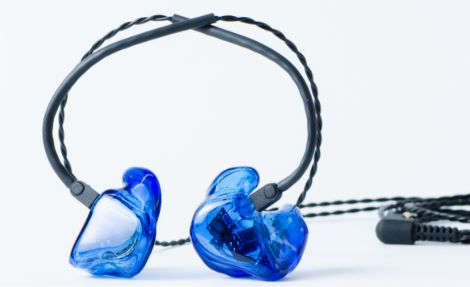
More on Hearing ProtectionHearing protection is especially important for musicians, but so is being able to clearly hear the music being played. Luckily, there are earplugs and monitors specifically designed to allow musicians to listen for the correct notes, pitches and keys.
More on Musician Ear Plugs and Monitors